


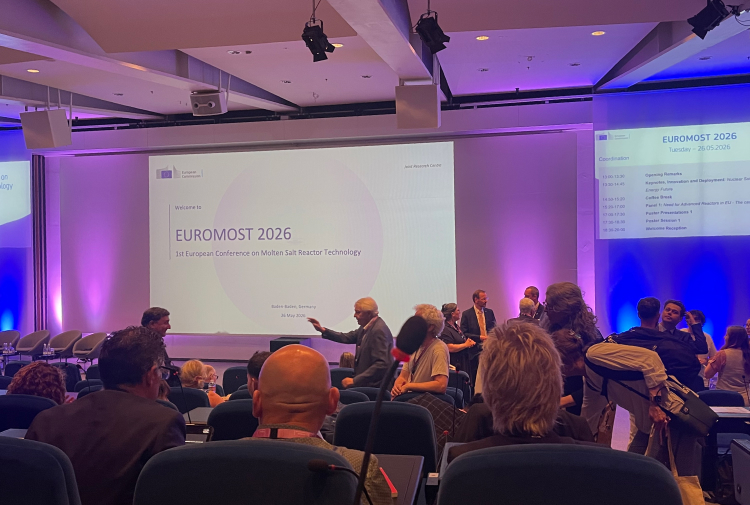

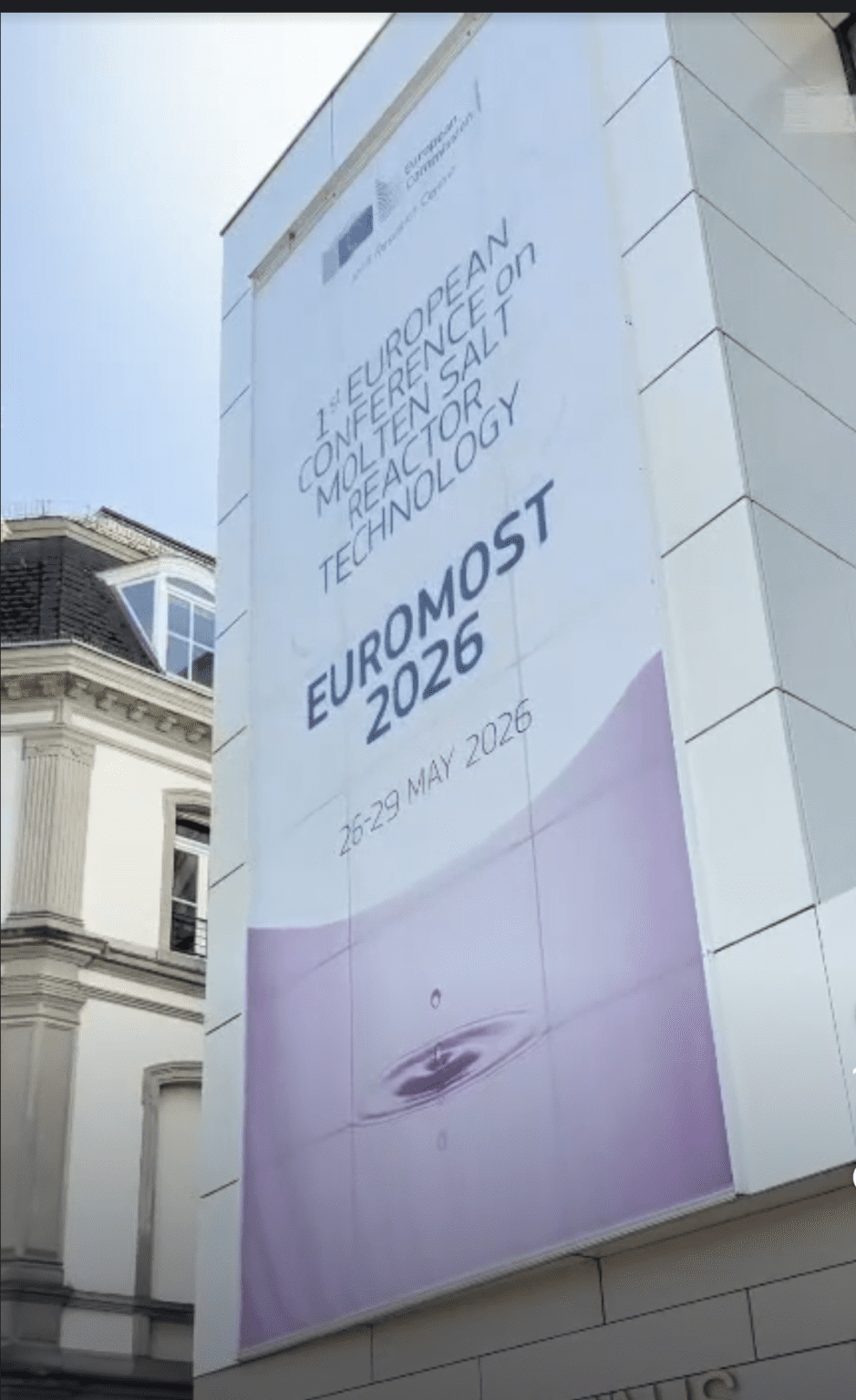
From 25 to 29 May 2026, Senior Research Fellow at the State Institution “Institute of Environmental Geochemistry of the NAS of Ukraine”, Borys Zlobenko, participated in the First European Conference on Molten Salt Reactor Technology, EUROMOST2026, held in Baden-Baden, Germany. The visit was made possible through the NURECAB Mobility Programme, which supports the participation of Ukrainian researchers in international events and facilitates their integration into the European Research Area.
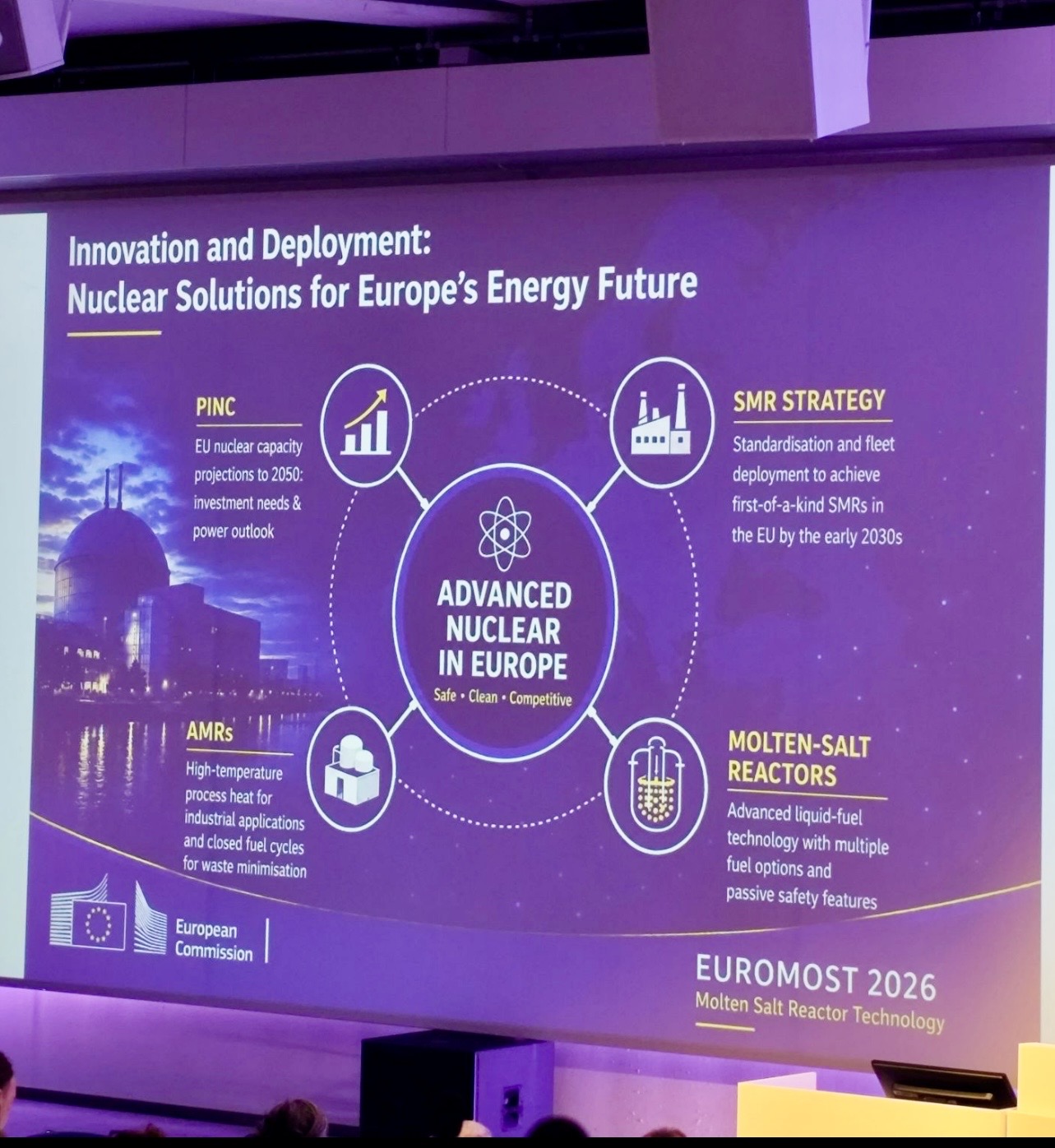
The EUROMOST2026 conference was organised by the Joint Research Centre (JRC) of the European Commission. The event brought together over 300 representatives of research institutions, universities, and the nuclear industry from across Europe. It marked an important milestone in the development of research on Molten Salt Reactors (MSRs), one of the most promising technologies for future low-carbon energy systems.
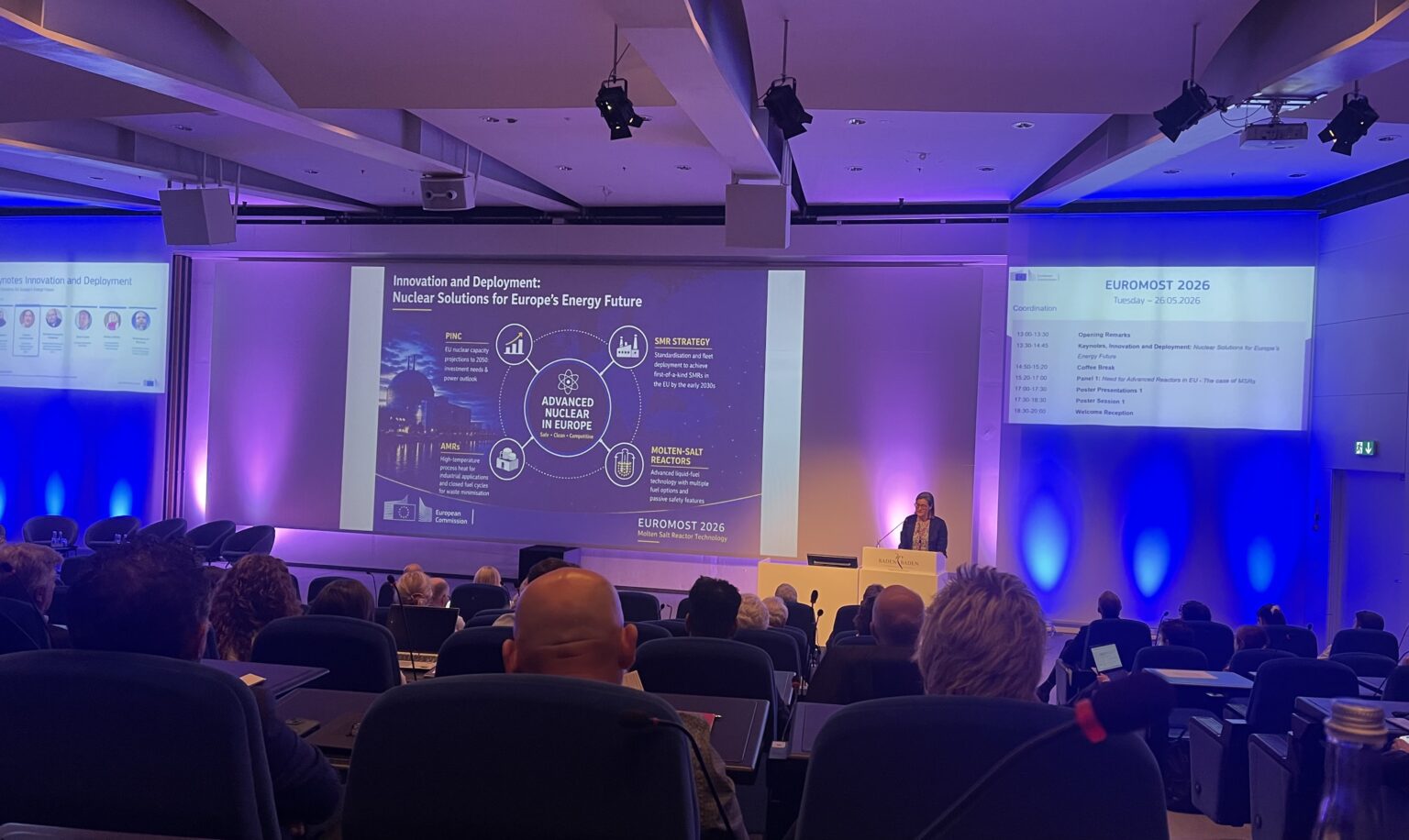
Participants discussed a wide range of topics, including fuel cycles, materials science, safety, waste management, and the industrial deployment of MSR technologies. Particular attention was given to the role of these reactors in decarbonising the energy sector and strengthening Europe’s energy independence.
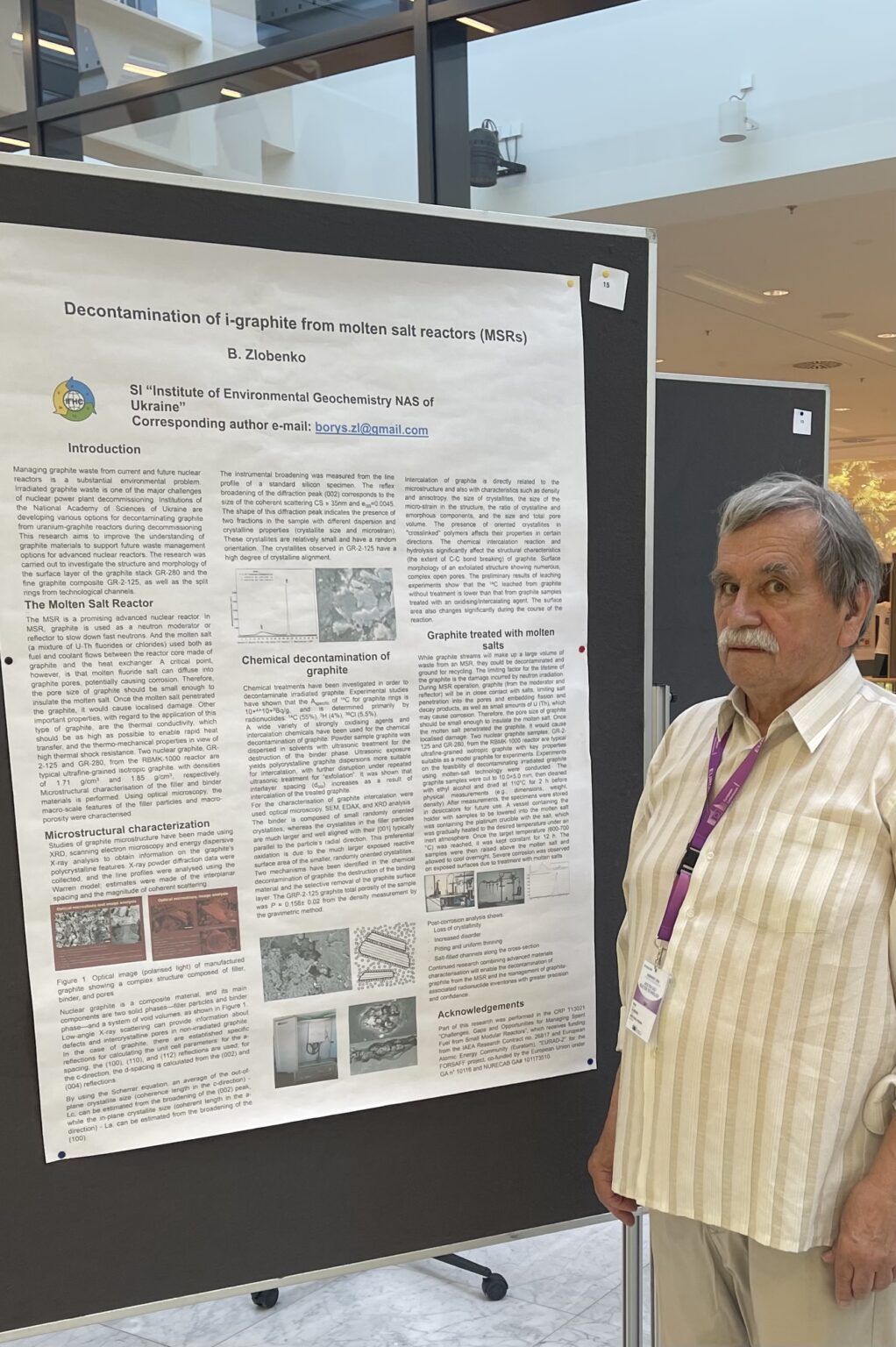
Within the framework of the conference, Borys Zlobenko presented a poster entitled “Decontamination of i-graphite from molten salt reactors (MSRs)”. The research addresses the challenge of decontaminating irradiated graphite generated during the operation and decommissioning of nuclear reactors.
The management of graphite waste remains one of the key environmental challenges for both current and future nuclear energy systems. Ukrainian researchers are developing approaches to the decontamination of graphite from uranium–graphite reactors, and the obtained results may also be relevant for molten salt reactors, where graphite is used as a neutron moderator.
The presented work was carried out within the framework of the IAEA Coordinated Research Project CRP T13021 “Challenges, Gaps and Opportunities in Management of Spent Fuel from Small Modular Reactors” and the European Atomic Energy Community programme CAST.
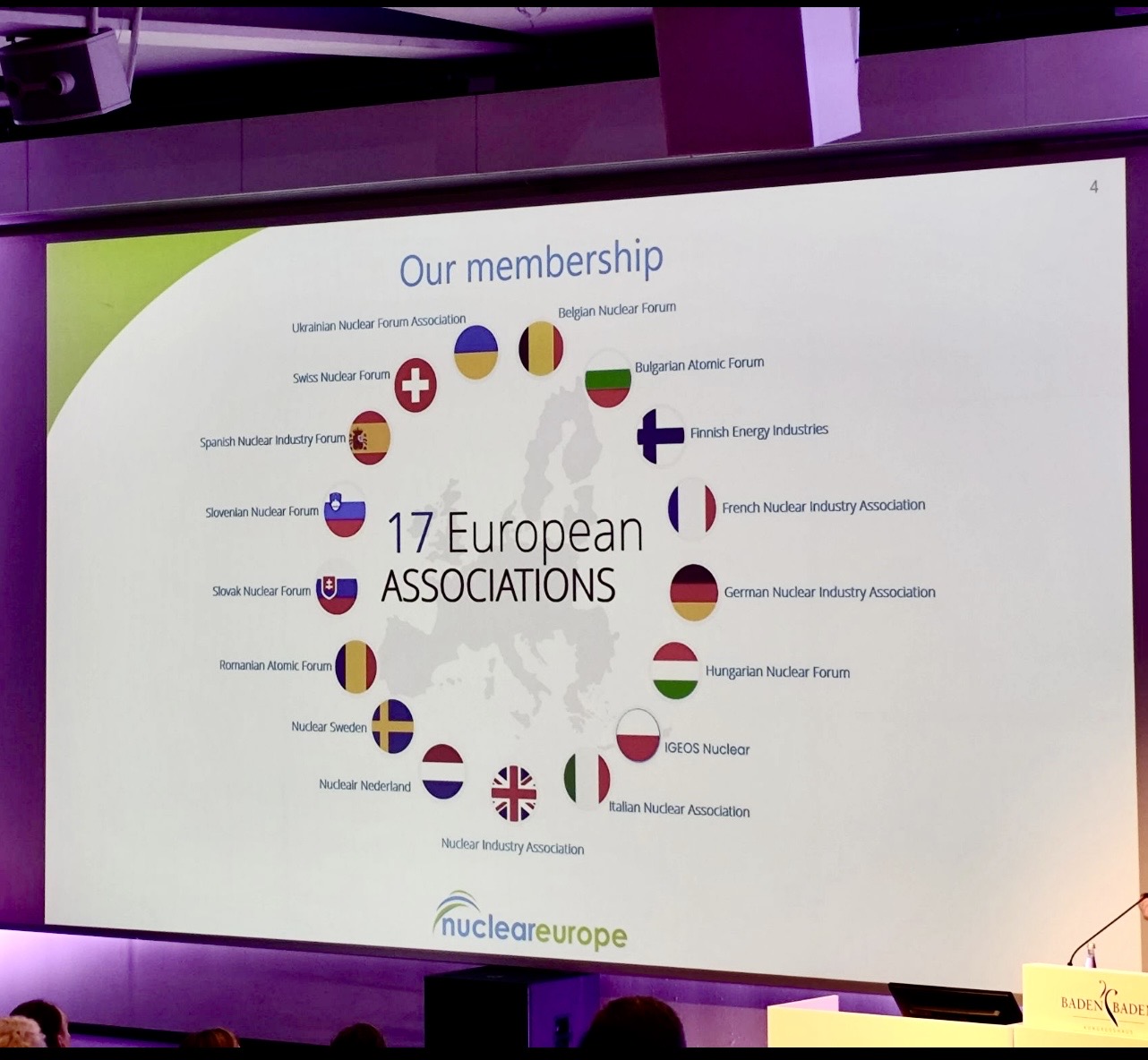
Participation in EUROMOST2026 provided an opportunity to become acquainted with the latest European developments in the field of MSRs and to discuss prospects for international cooperation. Among the speakers and participants were representatives of EDF, Orano, NRG PALLAS, CEA, Delft University of Technology, and other leading organisations in the nuclear sector.
Particular interest was drawn to the panel discussion “The Need for Advanced Reactors in the EU — The Example of Molten Salt Reactors”, which addressed strategic approaches to the development of advanced reactor technologies and their potential implementation across Europe, including in Ukraine.
Following the event, potential areas of cooperation involving institutions of the National Academy of Sciences of Ukraine in European projects related to small modular reactors and nuclear material management were discussed, particularly within the framework of the EURAD initiative.
Supporting the participation of Ukrainian researchers in international conferences is a key instrument for strengthening scientific capacity and integrating Ukraine into the European research environment. Through the NURECAB Mobility Programme, Ukrainian specialists are able to present their research at leading international platforms, establish professional networks, and engage in new collaborative projects.
The participation of Borys Zlobenko in EUROMOST2026 is an example of how the NURECAB programme fosters cooperation between Ukrainian and European research institutions and supports Ukrainian scientists in shaping the future of nuclear technologies.
The NURECAB project (GA#101173510) is funded by the European Union under the Euratom Research and Training Programme (Horizon Europe). The views and opinions expressed are those of the authors and do not necessarily reflect those of the European Commission.


