


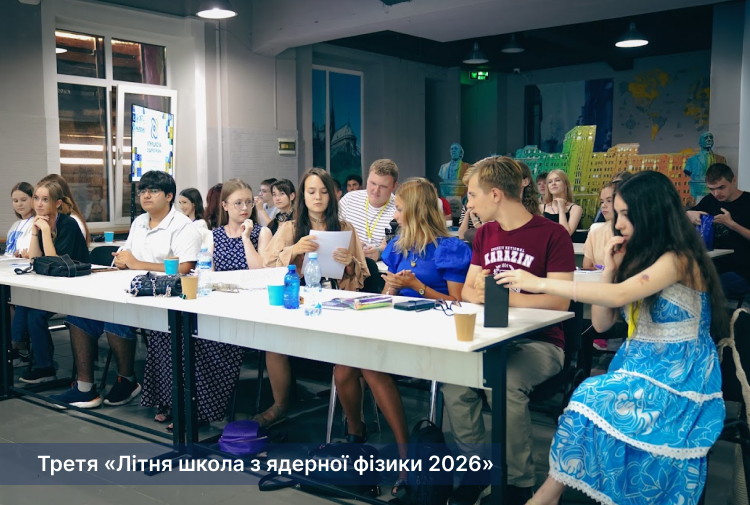

From 17 to 21 August 2026, the 3rd Summer School on Nuclear Physics 2026 was held at the School of Physics and Technology of V. N. Karazin Kharkiv National University. The event served as an important platform for promoting nuclear physics among young people and inspiring high school students to pursue science, advanced technologies, and careers in the nuclear field. The Summer School was organised with the support of the NURECAB – EU-UA Nuclear Research and Education Capacity Building project.
Over five intensive days, participants explored current topics in nuclear and fundamental physics, learned about cutting-edge technologies and scientific research, and discovered the practical work of professionals in the nuclear sector.
Five Days of Modern Nuclear Science
Day 1 – Small Modular Reactors and the Ukrainian Nuclear Society
The first day focused on Small Modular Reactors (SMRs) and the future of nuclear energy. Together with representatives of the Ukrainian Nuclear Society, participants discussed innovative reactor technologies, nuclear safety, and the opportunities SMRs offer for the future development of Ukraine’s energy sector.
The sessions gave students a broader understanding of nuclear energy—not only as a scientific discipline, but also as a promising career path in a rapidly evolving industry.
Day 2 – Medical Physics and a Visit to the Regional Oncology Centre
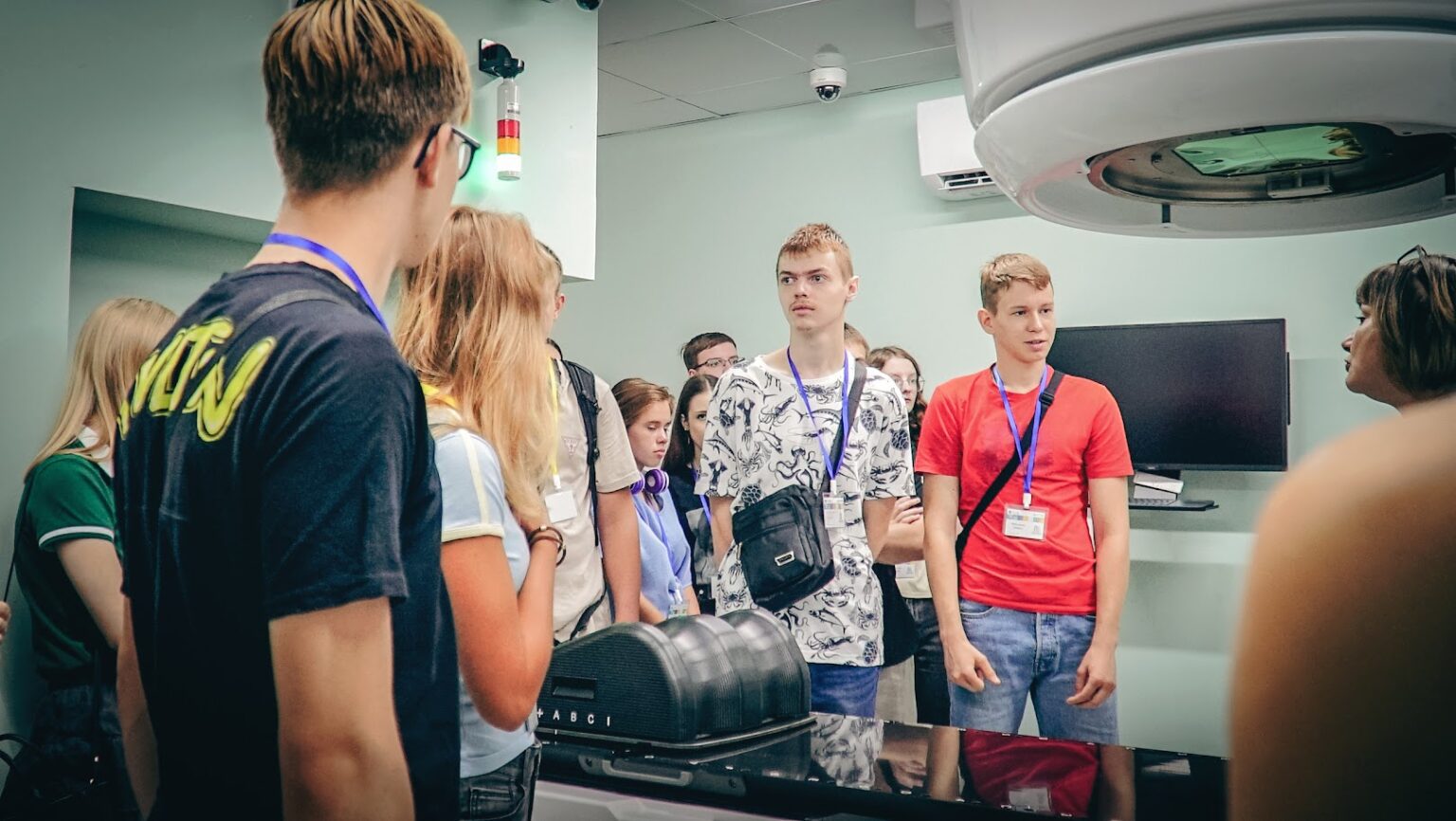
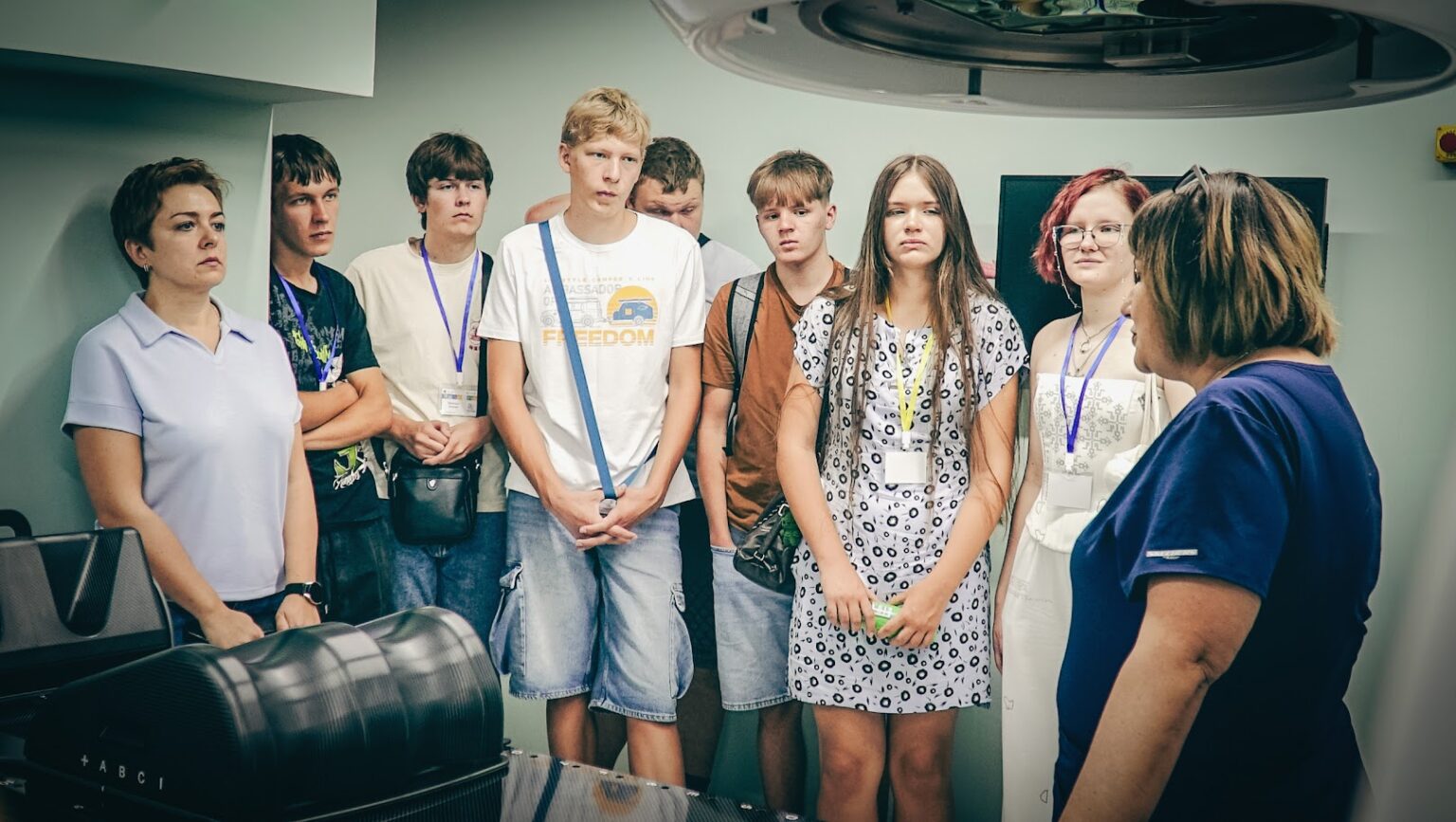
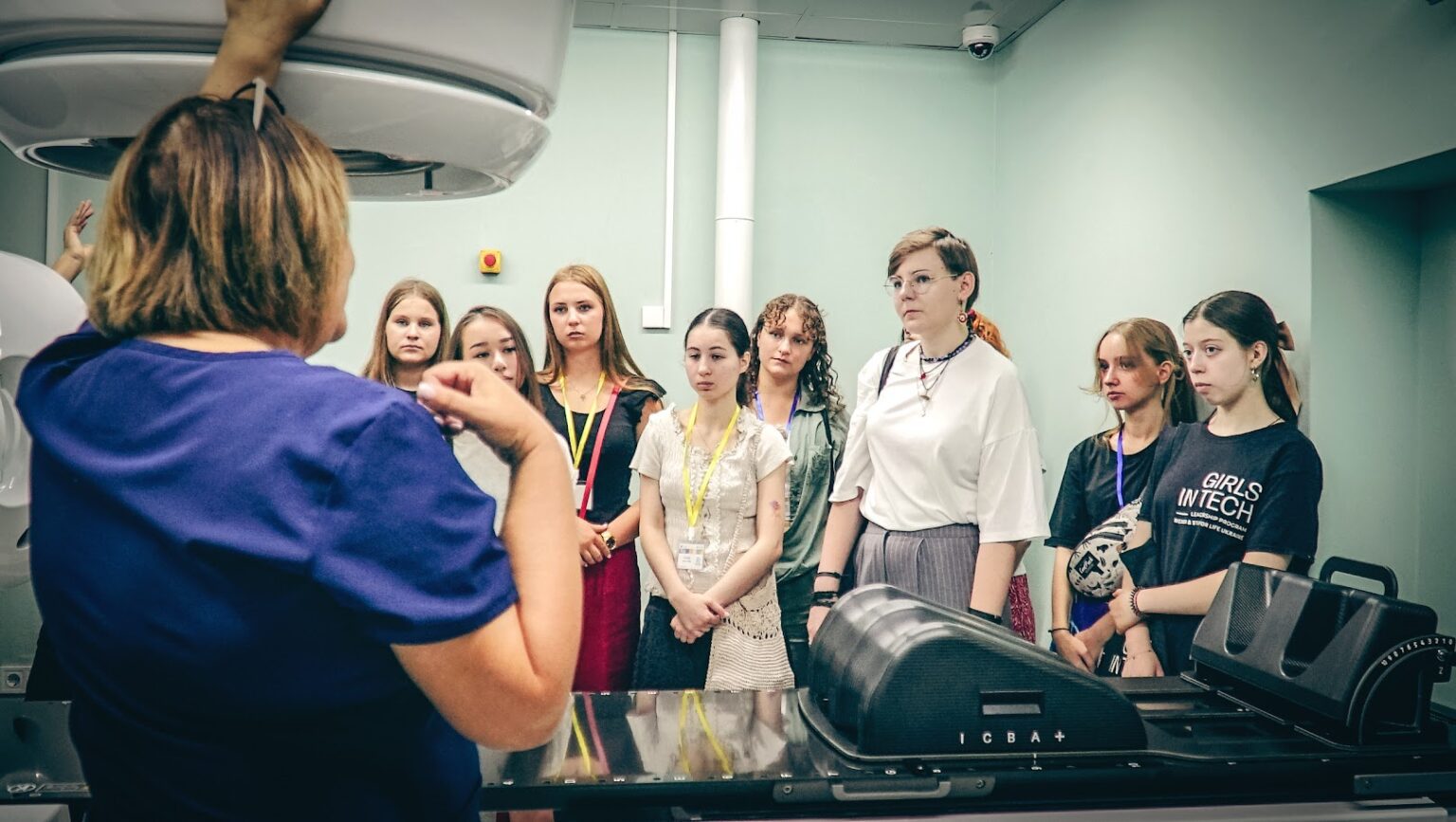
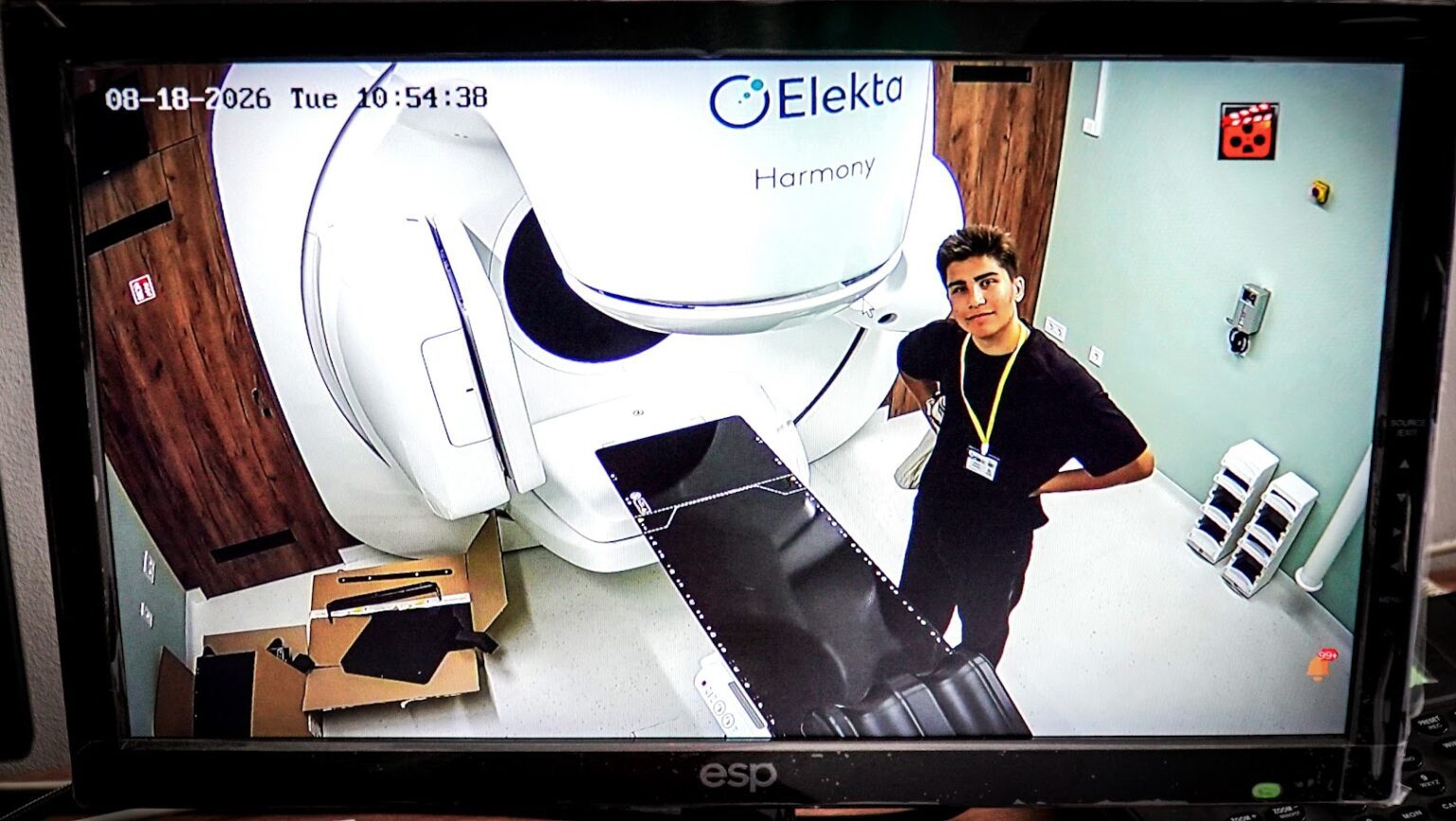
The second day demonstrated how physics directly contributes to saving lives. Participants visited the Regional Oncology Centre, where they learned about the operation of a modern linear accelerator used in radiation therapy.
The visit provided first-hand insight into how physical principles and advanced technologies are applied in the diagnosis and treatment of cancer, highlighting the important role of medical physicists in healthcare.
Day 3 – Materials Science in the School of Physics and Technology Laboratories
The third day was dedicated to research infrastructure and materials science.
Participants visited the School’s laboratories, explored modern scientific equipment, and learned how advanced materials are developed and tested for operation under extreme conditions.
This practical experience allowed students to observe real scientific research and better understand how laboratory work contributes to technological innovation.
Day 4 – Hackathon: Ukraine’s Energy Strategy 2050
The fourth day challenged participants to work as teams during a hackathon dedicated to Ukraine’s Energy Strategy 2050.
Students developed their own visions for the country’s future energy system, analysed current challenges, and presented innovative solutions. During the final presentations, they demonstrated analytical thinking, teamwork, and communication skills while defending their ideas.
Day 5 – The Quantum Revolution and the Large Hadron Collider
The final day immersed participants in the world of fundamental physics and high-energy research.
The programme covered the quantum revolution, current research at CERN, and the Large Hadron Collider (LHC)—one of the world’s most powerful scientific instruments for exploring the fundamental structure of matter and the Universe.
NURECAB: Investing in the Future of Nuclear Science
The Summer School is an example of how NURECAB supports the development of nuclear education and encourages young people to engage with science and technology.
The NURECAB project brings together Ukrainian and European institutions to strengthen Ukraine’s nuclear competence through education, training, and international cooperation. One of its key priorities is building youth capacity by creating opportunities for students to gain new knowledge, practical experience, and direct interaction with the scientific community.
The Summer School provided exactly such an environment, enabling participants to meet experts, visit research laboratories, explore modern technologies, and envision their own future in science.
A Memorable Closing Ceremony
The five-day programme concluded with a ceremonial certificate award presented by Anton Panteleimonov, Vice-Rector of V. N. Karazin Kharkiv National University. Participants also received commemorative souvenirs and prizes.

The 3rd Summer School on Nuclear Physics successfully combined education, practical experience, teamwork, and direct engagement with scientists and industry experts. Thanks to the support of NURECAB, young participants took another important step toward becoming the next generation of Ukrainian nuclear scientists and engineers.
The NURECAB project (GA#101173510) is funded by the European Union under the Euratom Research and Training Programme (Horizon Europe). Views and opinions expressed are those of the authors and do not necessarily reflect those of the European Commission.


