


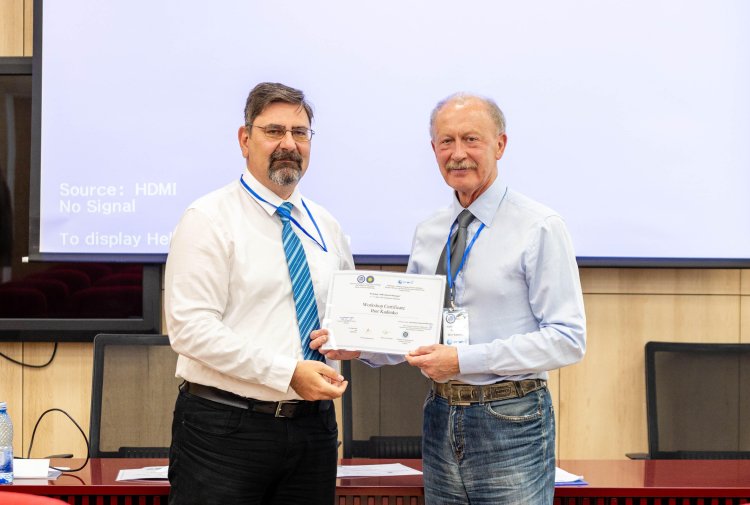

From 11 to 15 May 2026, the SMR School in Romania workshop was held in Bucharest, Romania. The event was organized by the National University of Science and Technology POLITEHNICA Bucharest under the auspices of the European Nuclear Education Network (ENEN).
The participation of representatives of Taras Shevchenko National University of Kyiv took place within the framework of the NURECAB project, which aims to strengthen international cooperation, enhance human capacity, and promote the integration of Ukrainian nuclear education and research into the European research and education area.
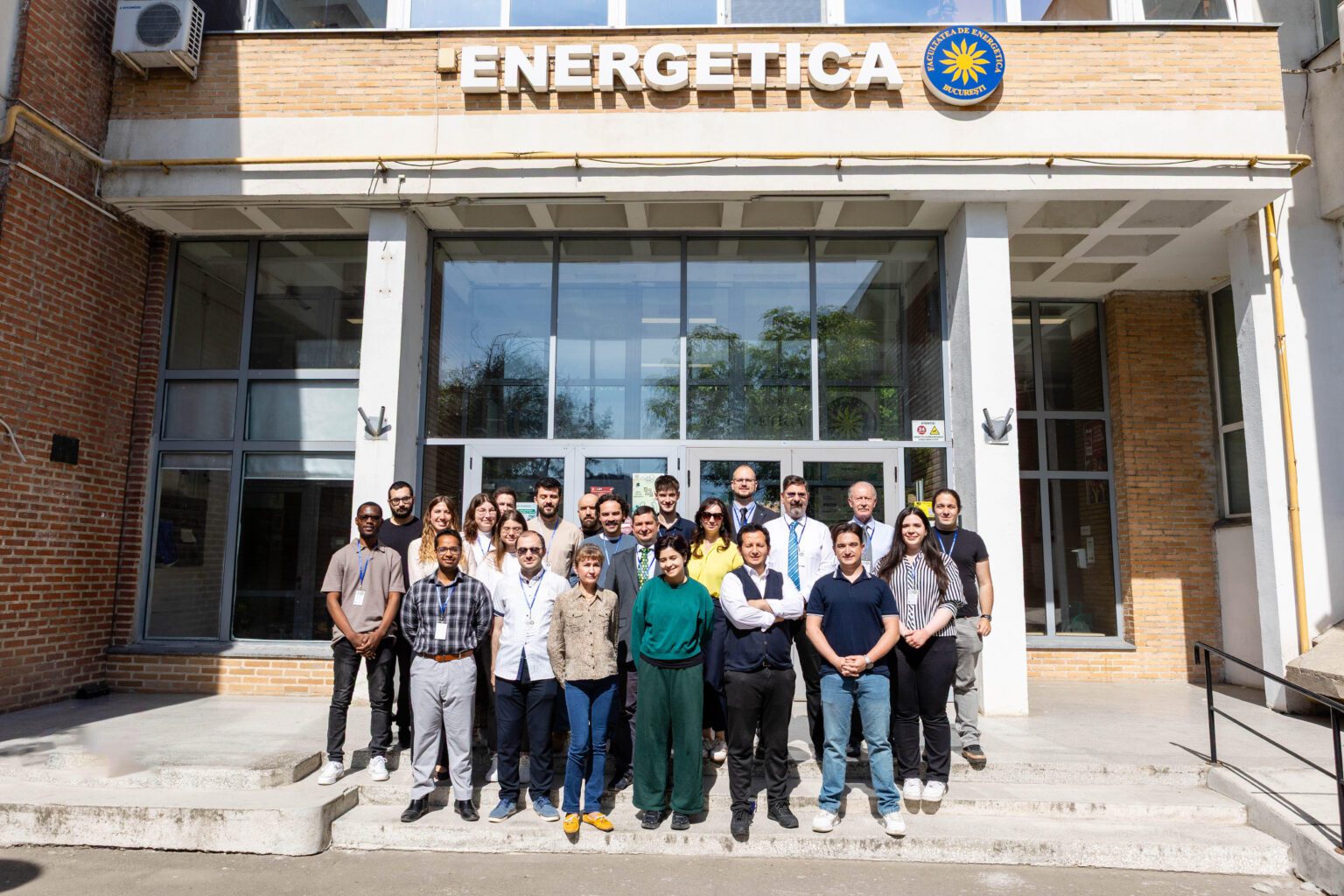
The University was represented by Prof. Ihor Kadenko, Head of the Department of Nuclear Physics and High Energy Physics, Faculty of Physics, and Nadiia Sakhno, Head of the Research Laboratory of Computer Technologies at the International Nuclear Safety Center.
The first day of the programme featured introductory presentations on the current status and future development of Small Modular Reactor (SMR) technologies. Hadid Subki, representing the International Atomic Energy Agency (IAEA), delivered two lectures outlining recent progress in SMR design, construction, and technological development, as well as presenting the IAEA SMR Technology Roadmap. Particular attention was devoted to high-temperature gas-cooled SMRs and the Agency’s training activities in this field.
A presentation by Victor Dinu from RoPower Nuclear focused on Romania’s progress in deploying the NuScale SMR technology.
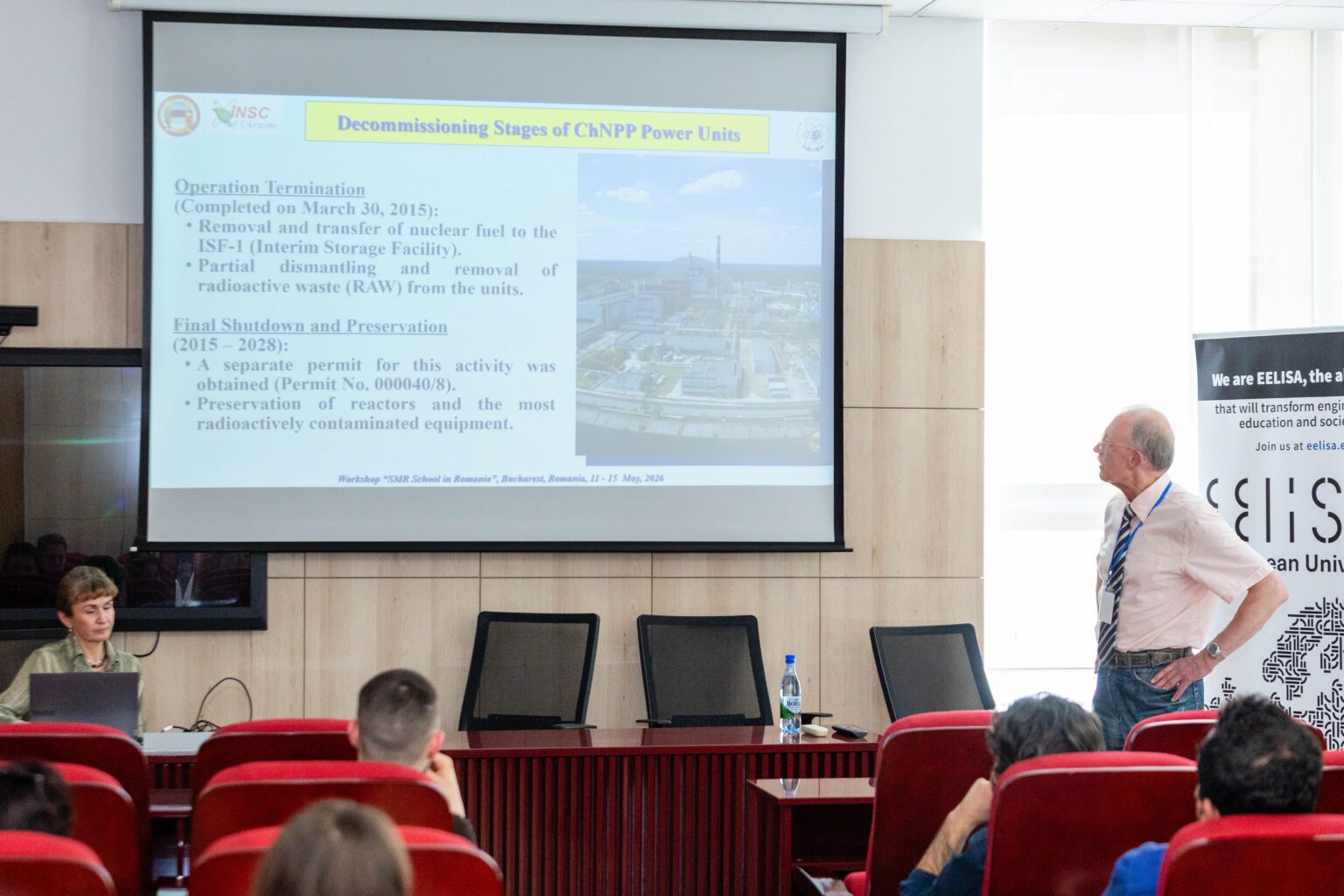
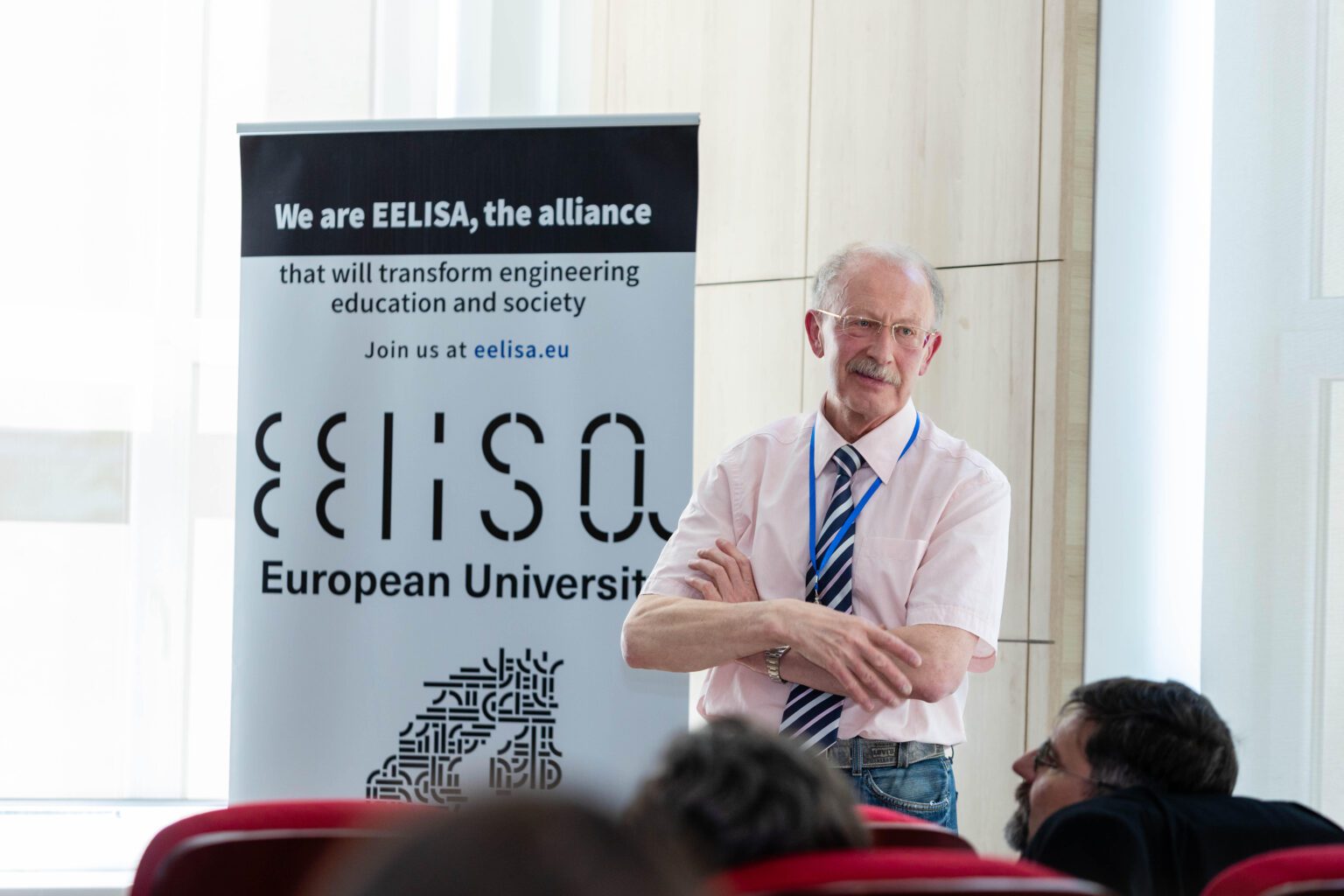
The Ukrainian delegation contributed with a presentation by Prof. Ihor Kadenko, who provided an overview of the current state and future prospects of nuclear power development in Ukraine, including ongoing work related to SMR technologies and their potential deployment in the country.
The first day concluded with a presentation by a representative of the Romanian nuclear regulatory authority on the legal and regulatory framework governing the licensing and implementation of SMRs in Romania.
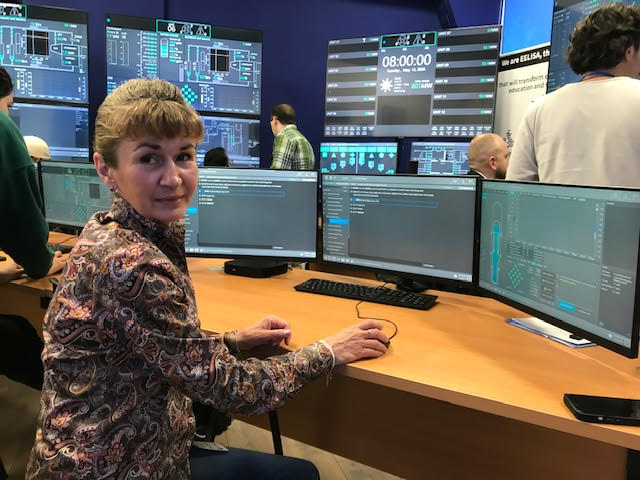
The second day was entirely dedicated to practical training using the NuScale-50 analytical simulator. Participants studied the reactor design, practiced reactor start-up and power increase procedures, and simulated a design-basis accident involving the ejection of the highest-worth control rod from the reactor core, demonstrating the inherent safety characteristics of the reactor design.
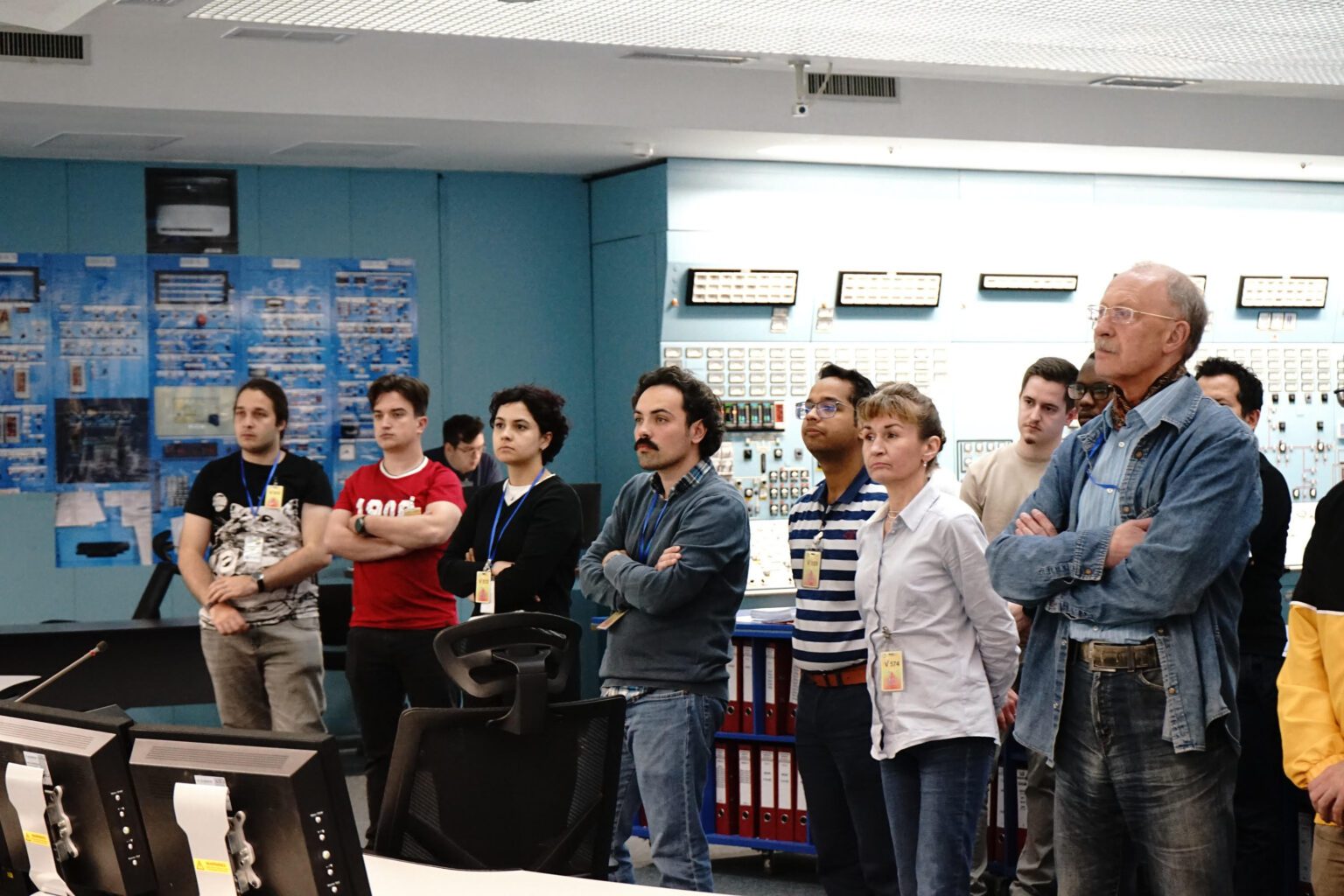
On the third day, participants visited Cernavodă Nuclear Power Plant (Cernavodă NPP), where two CANDU reactors operating on natural uranium with heavy water as both coolant and moderator are in service. Following a detailed presentation on the plant’s operation and future development plans, including the construction of two additional power units, participants visited the full-scope simulator of Unit 1 and observed a simulation of a primary coolant loss accident.
The fourth day included a technical visit to the Mioveni Nuclear Fuel Manufacturing Plant, where nuclear fuel for CANDU reactors is manufactured. After an introductory presentation, participants were introduced to the complete technological process of fuel bundle production.
The final day was devoted to discussions on the outcomes of the workshop, future prospects for SMR technologies, and career opportunities for young professionals in the nuclear sector across Europe and Asia.
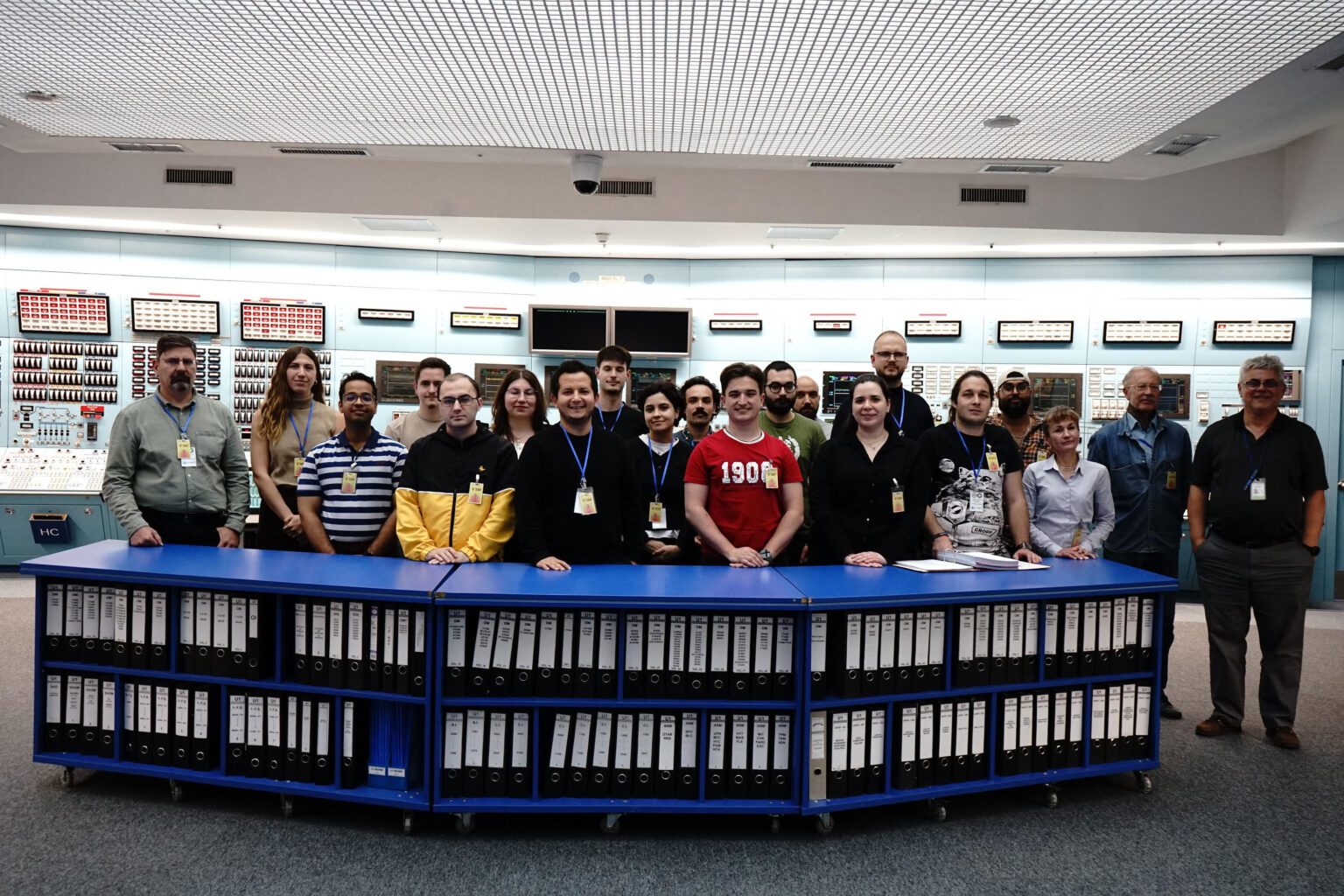
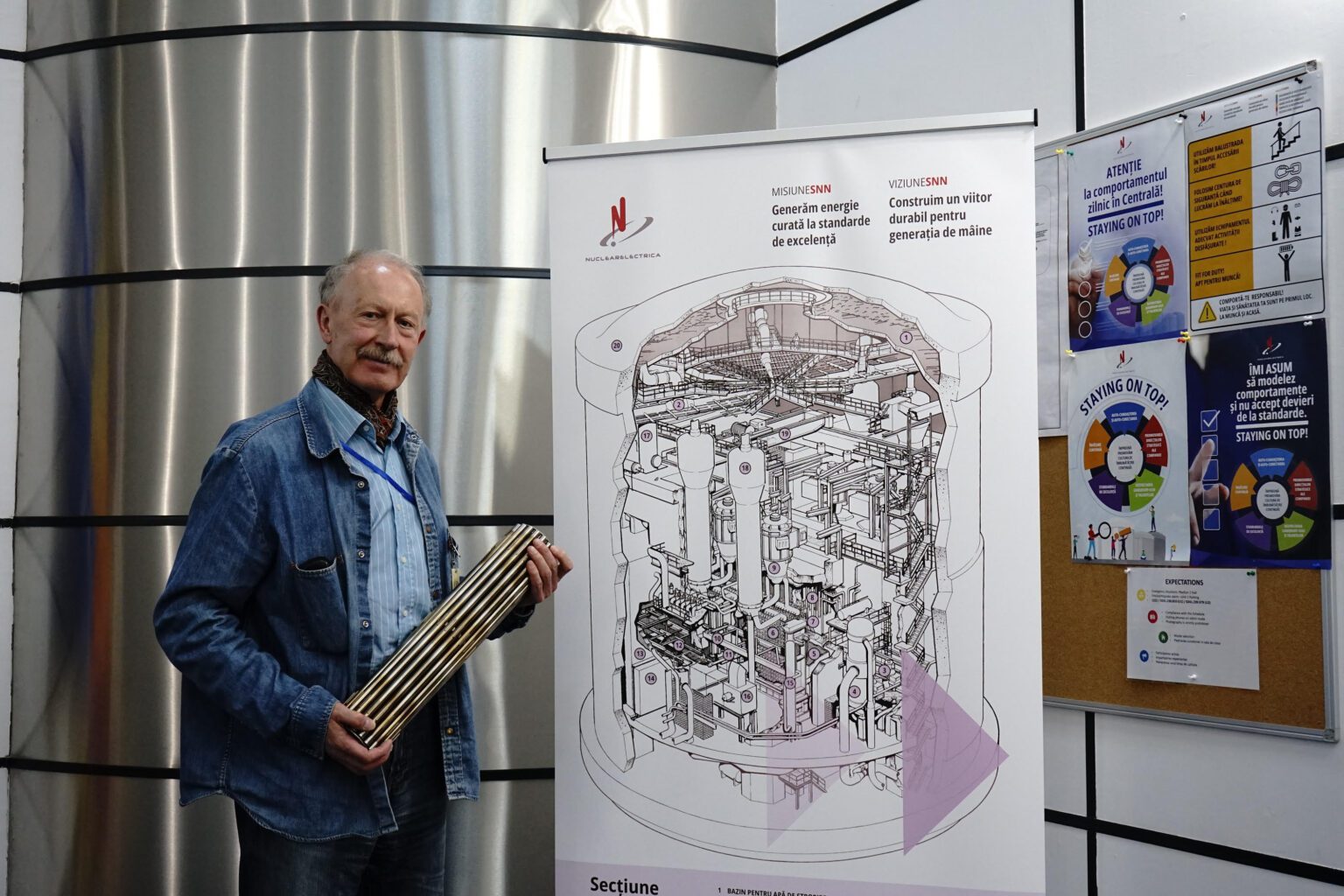
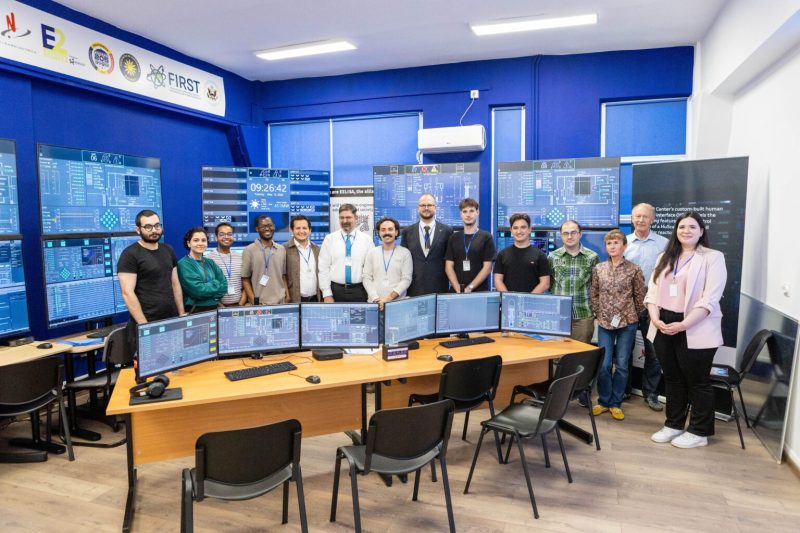
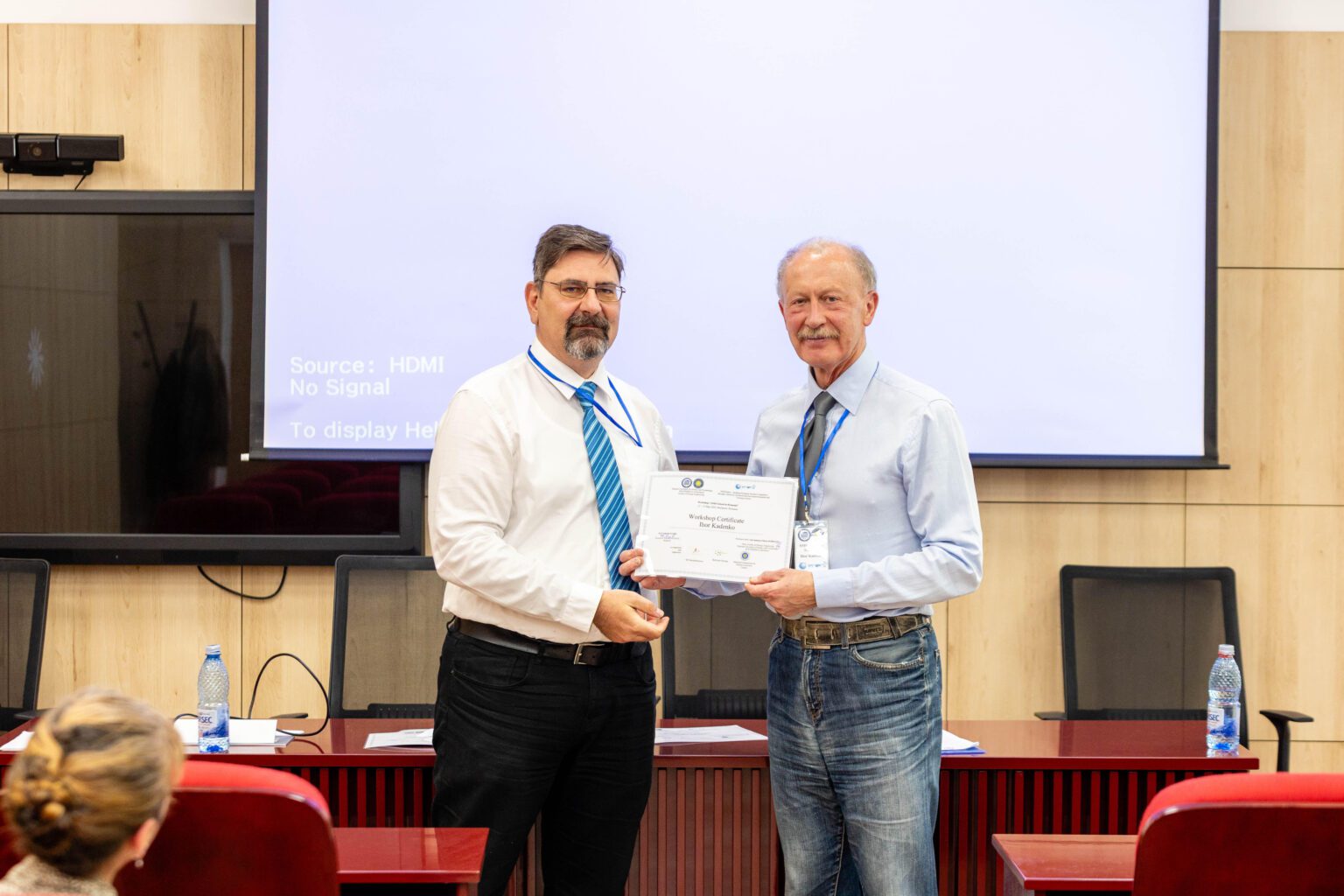
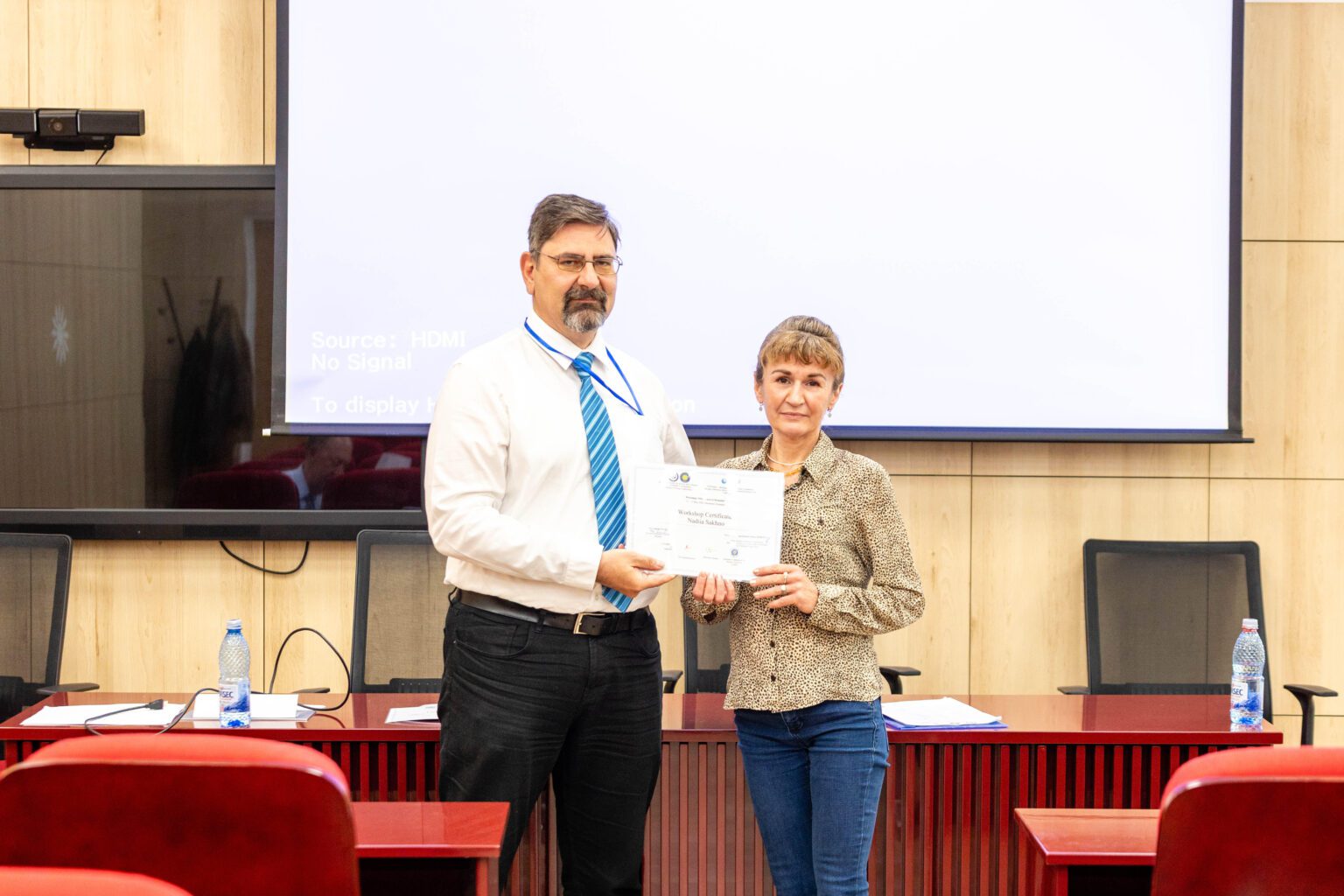
Participation in the workshop enabled the KNU representatives to gain valuable knowledge of modern SMR technologies, acquire practical experience through simulator-based training, and explore approaches that can be incorporated into new educational courses and future research activities in Ukraine.
Furthermore, participation in the workshop within the framework of the NURECAB project contributed to strengthening the University’s international cooperation. New professional contacts were established with Prof. Andrei Budu-Stanila and Hadid Subki of the IAEA, opening opportunities for future joint educational and research initiatives and further collaboration between Ukrainian and European institutions in the field of nuclear science and education.
The NURECAB project (GA#101173510) is funded by the European Union under the Euratom Research and Training Programme (Horizon Europe). The views and opinions expressed are those of the authors and do not necessarily reflect those of the European Commission.


